
Most of us have a definition of success. We spend years measuring our lives against standards we didn't consciously create, and when our choices don't align with those standards, we often assume something is wrong with us. But sometimes the problem isn't the life we're living. It's the scorecard we're using to measure it. For a long time, I associated success with career advancement, leadership roles, promotions, and professional achievement. Those things aren't inherently wrong. In fact, I had built a career I was proud of and found fulfillment in the work I was doing. Then my husband and I decided to start a family, and I made the decision to stay home and focus on raising our children. It was a choice rooted in my values and in what felt most important for our family during that season of life. I wasn't unhappy. I wasn't wishing I were somewhere else. I was fully immersed in motherhood and grateful for the opportunity to be present during those years. Yet, when I thought about the word success , my role as a stay-at-home mom didn't seem to fit the definition I carried in my mind. Without realizing it, I had adopted a version of success that left little room for the things I valued most. And that is part of the hidden cost of living by a definition of success we haven't consciously chosen. We can be living a life that is deeply aligned with what matters to us and still question whether it is enough. The issue wasn't the life I had chosen. It was the way I was evaluating it. I think many of us experience some version of this. The professional who secretly longs for more balance but feels guilty for wanting it. The entrepreneur who is building something meaningful yet feels behind compared to someone else's timeline. The parent who wonders whether they're accomplishing enough outside of the home. The person navigating a career or life transition who questions their worth because they no longer hold the role or title that once defined them. Different stories. The same question: According to whose definition of success? The world offers us countless answers. Success is presented as more achievement, more productivity, more recognition, more influence, more income, or more visibility. And while those things may be meaningful for some, they aren't the only measures of a life well lived. Success can also mean being present with your family. Building a business that gives you flexibility. Serving your community. Advocating for something you deeply believe in. Prioritizing your health. Creating work that aligns with your values. Choosing a path that reflects who you are and what matters most to you in this season of life. None of these choices are inherently more successful than the others. The difference lies in whether they are intentional and aligned. This is where self-leadership becomes so important. Self-leadership isn't just about making good decisions. It's about being willing to examine the assumptions behind those decisions. It's asking: What standards am I using to evaluate my life? Where did those standards come from? Do they still reflect what matters most to me today? Our definition of success isn't meant to be static. It evolves as we evolve. What felt meaningful in one season may give way to something different in another. And that's not a sign that we're losing our ambition or lowering our standards. It's a sign that we're growing. The next time you find yourself wondering whether you're doing enough, achieving enough, or becoming enough, pause and ask a different question: What definition of success am I using? And perhaps even more importantly: Did I choose it? The problem isn't always the life we'e living. Sometimes it's the scorecard we're using to measure it.

There’s a particular kind of quiet that shows up right before a new year. Not the peaceful kind we see on postcards, but the honest kind. The one that settles in after the doing slows down and before the next round of expectations kicks in. It’s the space where you begin to feel how tired you are. Where unfinished things come into focus. Where you replay the year in your head and wonder if you lived it in ways that truly mattered. I don’t think this space gets talked about enough. We rush past it, eager to close the chapter, set new goals, and clean the slate. But this pause, the space before the new year, has something important to offer. The work we don’t always name When people talk about growth, they usually point to outcomes: promotions, launches, milestones, bold decisions. However, so much of the real work this year didn’t look impressive from the outside. It looked like: Holding things together when you didn’t feel particularly strong Making decisions without full clarity, and living with them anyway Choosing not to push, even when pushing felt familiar Learning boundaries the hard way Letting go of versions of yourself that once worked, but no longer fit This year taught me that not all progress is visible, but that doesn’t make it any less real. Some of the hardest work we do is internal, unapplauded, and often invisible even to ourselves. This year reminded me that growth isn’t always something you can measure. Sometimes it’s something you feel later—once you’ve had a little distance, a little rest, a little perspective. You don’t need to understand the year in full detail yet. Some things are still unfolding. Sitting in this in-between space made something clear to me: making sense of a year doesn’t have to be elaborate or perfectly articulated to be meaningful. Sometimes it’s quiet. Sometimes it’s uncomfortable. Sometimes it’s simply noticing what’s there, without rushing to label it or turn it into a lesson. There’s an unspoken pressure at this time of year to wrap everything up neatly. To extract takeaways. To make the year “mean something." But what if it doesn’t need to be summarized yet? What if it simply needs to be acknowledged? If this year showed me anything, it’s that we don’t have to bring everything with us into what’s next. Some things can stay behind: The pressure to prove The habit of over-functioning The belief that rest has to be earned The idea that clarity must come before movement And some things are worth carrying forward: A deeper trust in yourself The knowledge that you can handle more than you once thought you could A clearer sense of what drains you and what sustains you A kinder relationship with your own expectations Honesty is where meaningful change begins. We’ve turned end-of-year looking-back into another thing to do “right.” But this space isn’t asking you to evaluate your worth or grade your performance. It’s inviting you to witness your experience with a little more compassion. You might simply notice: What this year required of you Where you stretched in ways no one saw No fixing. No optimizing. Just paying attention. Before What’s Next There will be time for plans, intentions, and fresh starts. Before we rush ahead, we can pause and honor the space between what’s been and what’s yet to come. Simply noticing it can be powerful. If this moment feels layered: gratitude mixed with fatigue, relief mixed with uncertainty, that makes sense. You don’t need to close the year perfectly to close it honestly. You don’t need to have everything figured out to move forward. And you don’t need to become someone new to begin again. Sometimes the most powerful thing we can do in this moment is pause, take a breath, and acknowledge how far we’ve actually come. That, too, counts.

Discover how slowing down helps you find clarity, joy, and peace. Learn mindful practices to break free from the hustle and create a more balanced, fulfilling life.
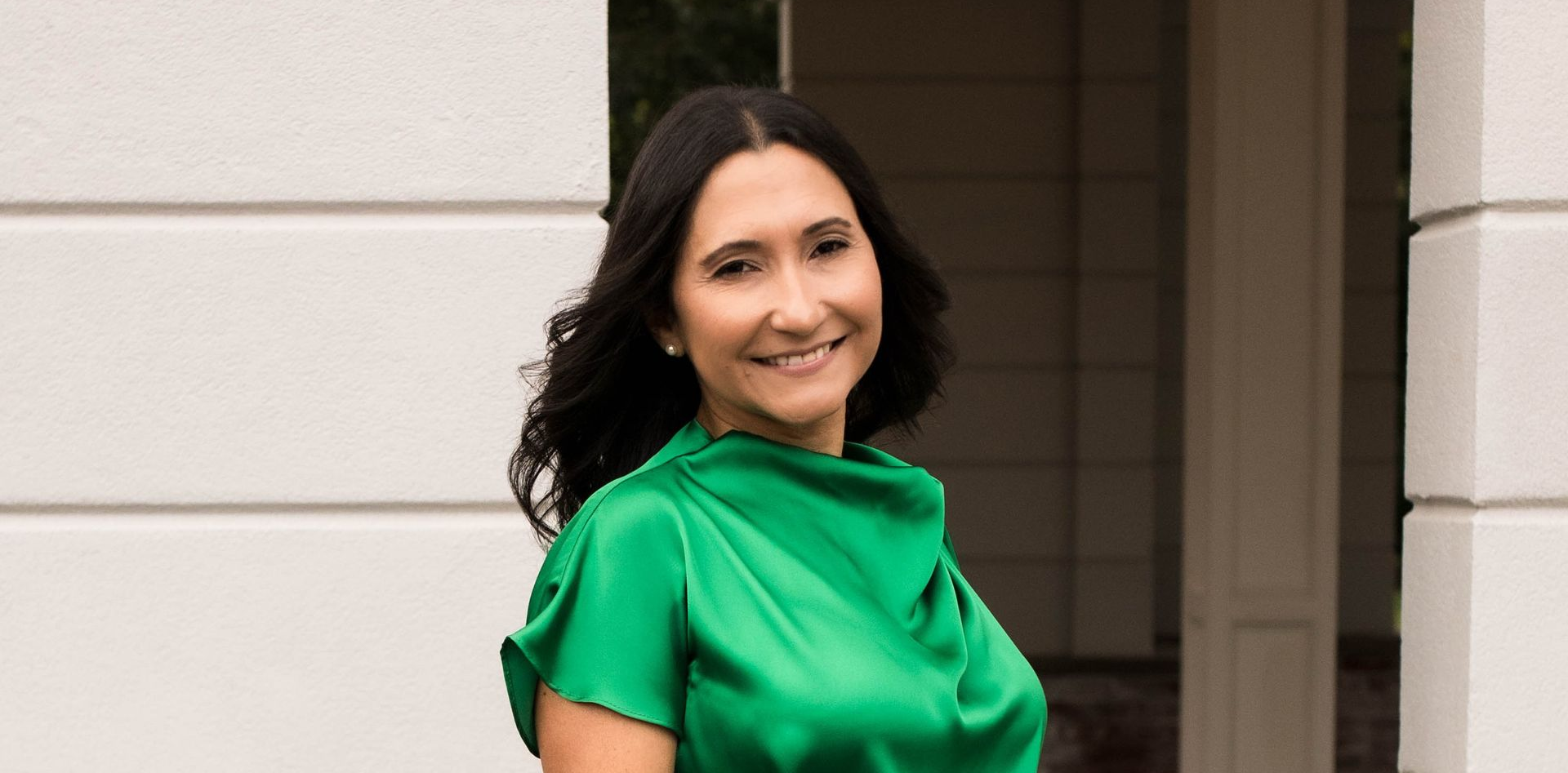
I’m thrilled to welcome you to the new online home for Coaching 4 Fulfillment! This website has been a dream in the making — a place where you can explore meaningful resources, find encouragement, and access strategies to help you live and lead with confidence, alignment, and a deep sense of purpose. This launch isn’t just about a new website design. It’s about creating a hub where women can step away from the noise, realign with what matters most, and feel supported along the way. Whether you’re navigating a transition, seeking more alignment, or simply ready to reconnect with yourself, I hope you’ll feel at home here.