

There’s a particular kind of quiet that shows up right before a new year. Not the peaceful kind we see on postcards, but the honest kind. The one that settles in after the doing slows down and before the next round of expectations kicks in. It’s the space where you begin to feel how tired you are. Where unfinished things come into focus. Where you replay the year in your head and wonder if you lived it in ways that truly mattered. I don’t think this space gets talked about enough. We rush past it, eager to close the chapter, set new goals, and clean the slate. But this pause, the space before the new year, has something important to offer. The work we don’t always name When people talk about growth, they usually point to outcomes: promotions, launches, milestones, bold decisions. However, so much of the real work this year didn’t look impressive from the outside. It looked like: Holding things together when you didn’t feel particularly strong Making decisions without full clarity, and living with them anyway Choosing not to push, even when pushing felt familiar Learning boundaries the hard way Letting go of versions of yourself that once worked, but no longer fit This year taught me that not all progress is visible, but that doesn’t make it any less real. Some of the hardest work we do is internal, unapplauded, and often invisible even to ourselves. This year reminded me that growth isn’t always something you can measure. Sometimes it’s something you feel later—once you’ve had a little distance, a little rest, a little perspective. You don’t need to understand the year in full detail yet. Some things are still unfolding. Sitting in this in-between space made something clear to me: making sense of a year doesn’t have to be elaborate or perfectly articulated to be meaningful. Sometimes it’s quiet. Sometimes it’s uncomfortable. Sometimes it’s simply noticing what’s there, without rushing to label it or turn it into a lesson. There’s an unspoken pressure at this time of year to wrap everything up neatly. To extract takeaways. To make the year “mean something." But what if it doesn’t need to be summarized yet? What if it simply needs to be acknowledged? If this year showed me anything, it’s that we don’t have to bring everything with us into what’s next. Some things can stay behind: The pressure to prove The habit of over-functioning The belief that rest has to be earned The idea that clarity must come before movement And some things are worth carrying forward: A deeper trust in yourself The knowledge that you can handle more than you once thought you could A clearer sense of what drains you and what sustains you A kinder relationship with your own expectations Honesty is where meaningful change begins. We’ve turned end-of-year looking-back into another thing to do “right.” But this space isn’t asking you to evaluate your worth or grade your performance. It’s inviting you to witness your experience with a little more compassion. You might simply notice: What this year required of you Where you stretched in ways no one saw No fixing. No optimizing. Just paying attention. Before What’s Next There will be time for plans, intentions, and fresh starts. Before we rush ahead, we can pause and honor the space between what’s been and what’s yet to come. Simply noticing it can be powerful. If this moment feels layered: gratitude mixed with fatigue, relief mixed with uncertainty, that makes sense. You don’t need to close the year perfectly to close it honestly. You don’t need to have everything figured out to move forward. And you don’t need to become someone new to begin again. Sometimes the most powerful thing we can do in this moment is pause, take a breath, and acknowledge how far we’ve actually come. That, too, counts.

Discover how slowing down helps you find clarity, joy, and peace. Learn mindful practices to break free from the hustle and create a more balanced, fulfilling life.

Understanding the difference between coaching, therapy, counseling, consulting, and mentoring
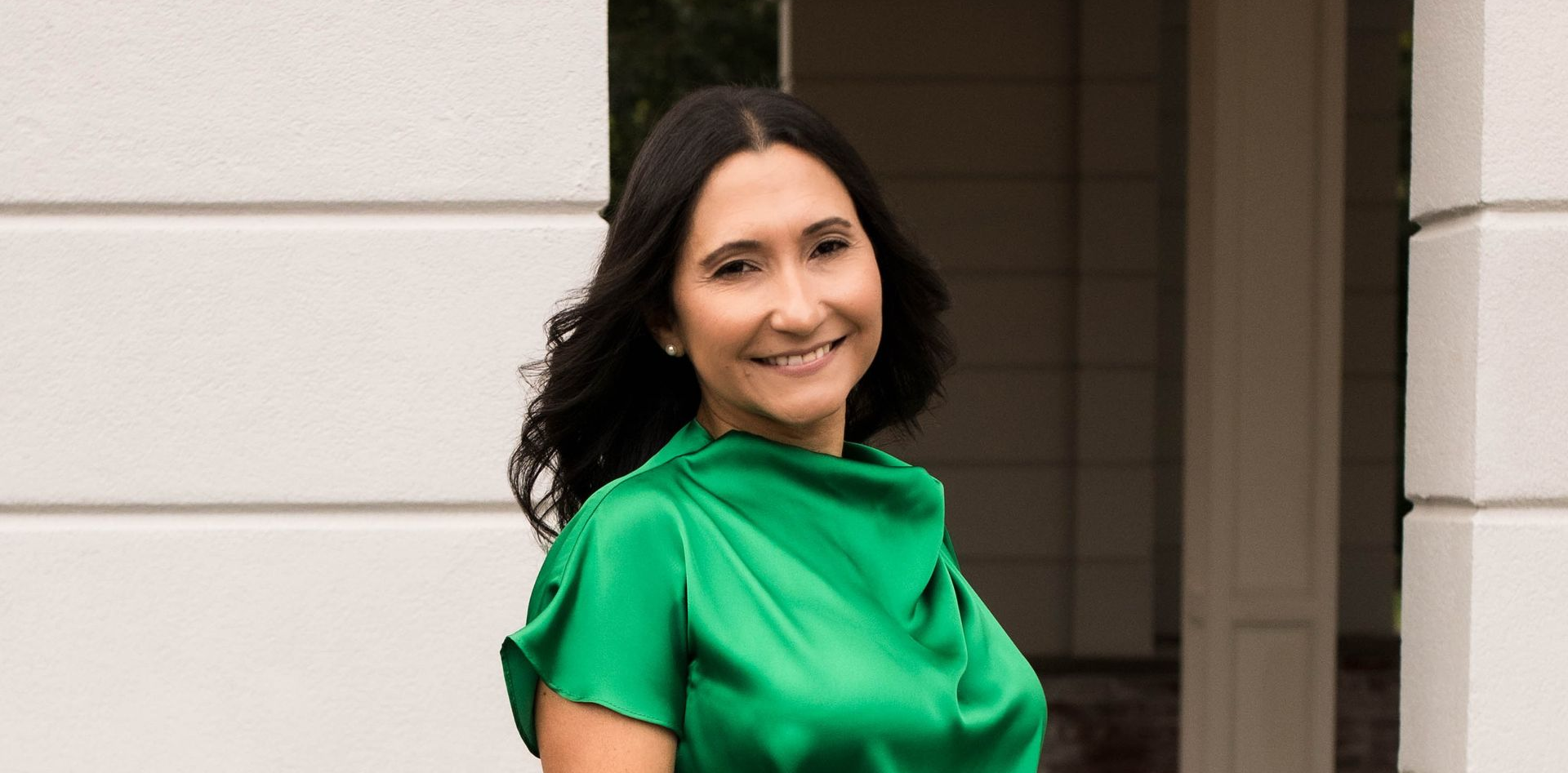
I’m thrilled to welcome you to the new online home for Coaching 4 Fulfillment! This website has been a dream in the making — a place where you can explore meaningful resources, find encouragement, and access strategies to help you live and lead with confidence, alignment, and a deep sense of purpose. This launch isn’t just about a new website design. It’s about creating a hub where women can step away from the noise, realign with what matters most, and feel supported along the way. Whether you’re navigating a transition, seeking more alignment, or simply ready to reconnect with yourself, I hope you’ll feel at home here.